
Long before the neon lights of Las Vegas defined entertainment, Europe’s aristocracy and cultural elite sought a more refined blend of excitement and rejuvenation. Their destination of choice was often the elegant Kurort (spa town) of Germany, where the pursuit of health and the thrill of fortune were seamlessly intertwined. Within grand, columned halls nestled in scenic landscapes, the historical casinos of towns like Baden-Baden and Wiesbaden became the epicentres of European high society, setting a standard for glamour and sophistication that would influence the very history of gambling for centuries to come.
The Allure of the Kurort: Where Health Met Fortune
The German spa town, or Kurort, was built upon a holistic 19th-century ideal: the “Kur.” This was a prescribed regimen combining the therapeutic intake of mineral waters, fresh air, scenic walks, and structured leisure. The goal was physical and mental restoration for the wealthy and often ailing upper classes. Crucially, social interaction and entertainment were considered vital parts of the cure, creating the perfect environment for games of chance to evolve from private salon diversions into public, institutionalised spectacles.
The Rise of the Spa Resort
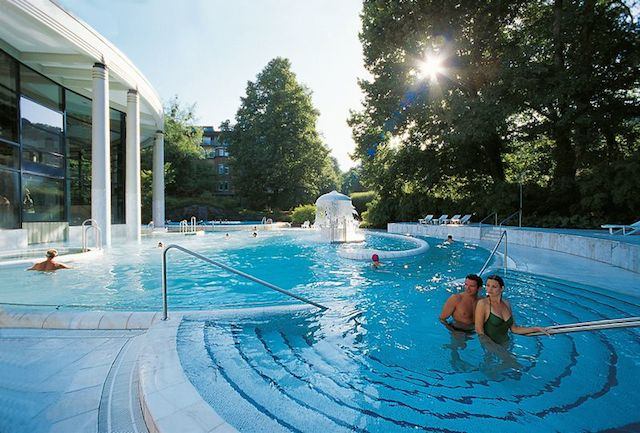
Towns blessed with natural thermal springs, such as Baden-Baden in the Black Forest and Wiesbaden in the Taunus mountains, transformed into luxurious resorts. They developed sprawling, park-like settings anchored by a central Kurhaus (cure house). This building was the social heart, typically containing ballrooms, concert halls, reading rooms, and restaurants. The atmosphere was one of sanctioned escapism, where visitors, freed from their everyday societal constraints, were eager for sophisticated amusement.
From Salons to Spielbank
Initially, gambling occurred in private rooms and aristocratic salons. However, the demand for organised, elegant gaming grew. State authorities, recognising a lucrative source of revenue, began granting concessions for official Spielbanken (casinos). These were not the standalone gambling palaces of later eras but were carefully integrated into the Kurhaus complexes. This formalisation elevated gambling from a clandestine pastime to a central, respectable pillar of the spa town experience, where the elite could socialise and speculate in breathtaking surroundings.
Baden-Baden: The ‘Summer Capital of Europe’
No town exemplifies the golden age of the German spa casino more than Baden-Baden. By the mid-19th century, it was dubbed the “Summer Capital of Europe,” attracting royalty, politicians, artists, and industrialists from across the continent. Its casino was the undisputed star of this glittering social scene.
The Opulent Spielbank
Housed within the magnificent Kurhaus colonnade, the Casino Baden-Baden (opened in its current form in 1824) was a masterpiece of French-inspired neoclassical design. Its interiors, dripping with crystal chandeliers, gilded stucco, velvet drapes, and frescoed ceilings, were designed to awe. The casino’s reputation was built on an uncompromising standard of elegance, strict dress codes, and an air of exclusivity that made losing money seem a dignified undertaking. It set the architectural and operational blueprint for luxury casinos worldwide, directly inspiring later rivals like the Monte Carlo Casino.
Literary and Royal Patrons
The visitor list read like a who’s who of 19th-century Europe. Russian tsars, French emperors, and British nobility frequented its tables. Its most famous literary patron was the Russian novelist Fyodor Dostoevsky. His devastating addiction to roulette at Baden-Baden’s tables directly inspired his seminal work, “The Gambler,” offering a profound psychological insight into the mania of chance that contrasted sharply with the casino’s serene façade. This blend of high culture and high stakes cemented its legendary status.
Wiesbaden: Elegance by the Kaiser
While Baden-Baden attracted a pan-European crowd, Wiesbaden developed a particularly strong affinity with the Russian aristocracy and the German imperial court. As one of the oldest spa towns in Europe, its gaming traditions were deeply entrenched, reaching new heights of opulence in the 19th century.
A Russian Favourite
Wiesbaden was so popular with Russian nobles that it was sometimes jokingly called the “Nice of the North” and its promenade the “Russian Mile.” The town’s fortunes were so tied to its Russian clientele that the outbreak of World War I and the subsequent Russian Revolution dealt a severe blow to its economy. The casino was a primary reason for their visits, offering a familiar haven of luxury and games like Faro and Roulette.
The Kurhaus Complex
The heart of Wiesbaden’s scene was (and remains) the magnificent Kurhaus in Wiesbaden. Completed in 1907, this Wilhelmine-era monument encapsulated imperial grandeur. The sprawling complex housed the Spielbank alongside vast banquet halls and the renowned Friedrich-von-Thiersch-Saal. Its proximity to the residence of the German Emperor in the nearby Schloss made it a de facto extension of the imperial social calendar, ensuring its place at the pinnacle of German high society.
Beyond the Big Two: Bad Homburg and Others
The model of the spa casino was replicated across the German states, creating a network of luxurious gambling resorts. Among these, Bad Homburg vor der Höhe holds a special place in casino history.
Bad Homburg’s French Connection
Bad Homburg’s casino, opened in 1841, gained fame for a pivotal innovation: it popularised a new version of roulette. The owners, the Blanc brothers, introduced a wheel with a single zero, lowering the house edge compared to the double-zero wheels common elsewhere. This “French Roulette” proved wildly attractive to players. When the brothers were later invited to Monaco to establish a new gaming destination, they took this model with them, directly shaping the rules and success of the future Monte Carlo Casino.
The Network of Resort Casinos
Other towns like Bad Ems, Bad Kissingen, and Bad Pyrmont also operated prestigious Spielbanken. Each offered a similar blend of Kur and chance, contributing to a distinct Central European culture of resort gambling. Key characteristics of this network included:
- State-controlled concessions and licensing.
- Integration into therapeutic and leisure complexes.
- A focus on aesthetic grandeur and strict social etiquette.
- Seasonal operations timed with the social “season.”
- Catering to an international, primarily aristocratic, clientele.
A German Legacy in British Gambling History
The influence of the German Kurort casino model resonated beyond the continent, subtly shaping aspects of British leisure, while also highlighting a contrasting domestic development in gambling.
Influence on British Seaside Resorts
The British had their own version of the spa town, most notably Bath, but gambling there was confined to private assemblies. The German concept of a large, public, municipally-linked casino as a centrepiece of a health resort was not directly adopted due to Britain’s stricter gambling laws. However, the aspirational model of combining leisure, health, and sophisticated entertainment certainly influenced the development of grand hotels and pleasure piers in Victorian seaside resorts like Brighton and Scarborough, which aimed to offer a similar packaged holiday experience for the burgeoning middle class.
Contrast with London’s Betting Houses
The development in Britain took a markedly different path. While German elites gambled in ornate, regulated spas, 19th-century London saw the proliferation of often-seedy historical betting houses and illegal gaming “hells.” These were urban, male-dominated, and focused primarily on horse racing and card games, lacking the holistic leisure or social respectability of the German Spielbank. This contrast underscores how the German model was unique: gambling was not a vice to be hidden, but an open, celebrated component of elite cultural life within the specific, sanctioned environment of the Kurort.
The grand casinos of Germany’s spa towns were far more than mere gambling dens. They were sophisticated social institutions that crystallised a 19th-century ideal of luxury, health, and cultured leisure. From inspiring the architecture of Monte Carlo to influencing the very rules of roulette, their legacy is deeply embedded in global casino history. They remind us that for centuries, the roll of the dice and the spin of the wheel were accompanied not by raucous noise, but by the rustle of silk, the strains of an orchestra, and the pursuit of an elusive, all-encompassing “cure.”